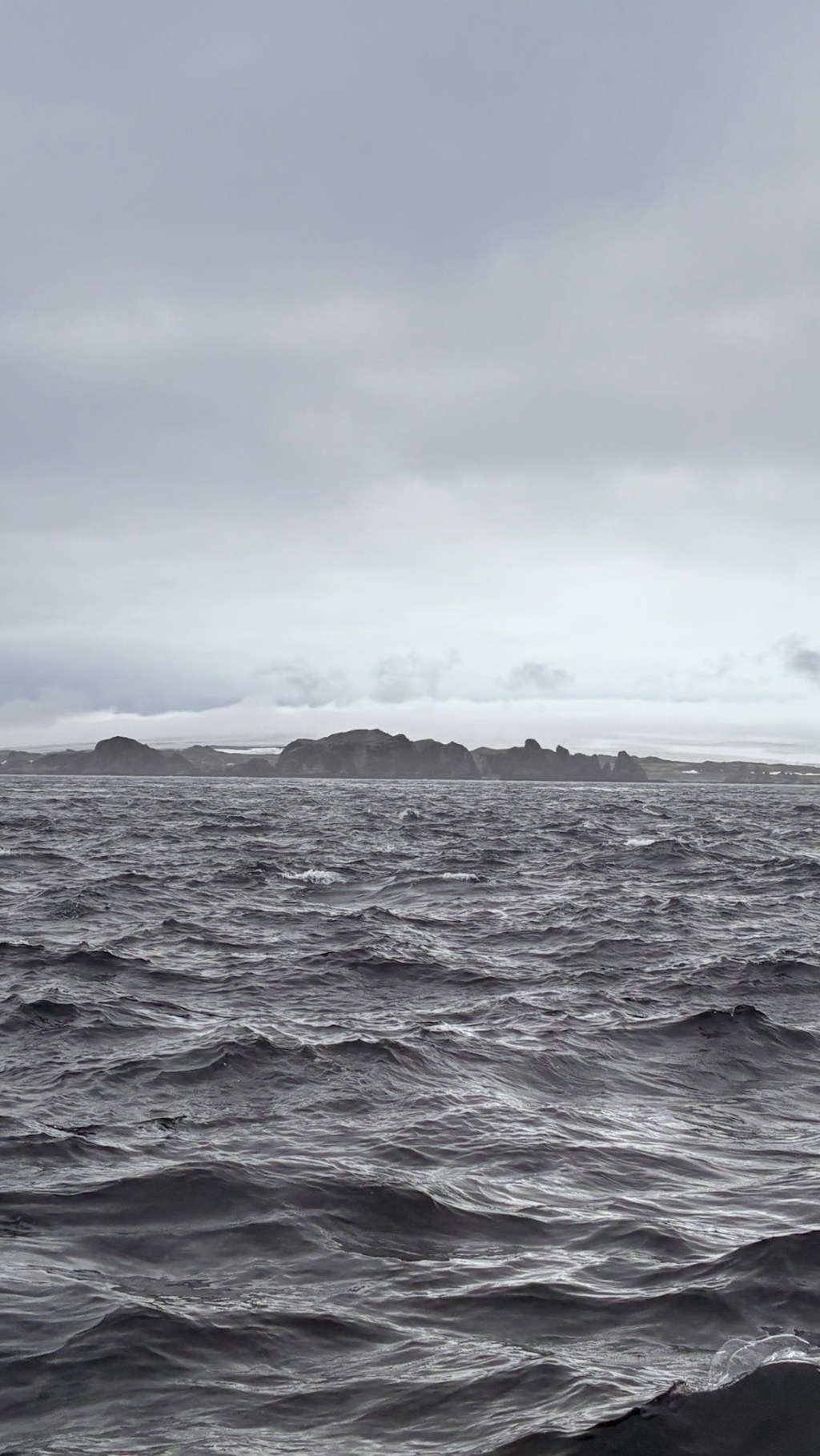
There is a very specific kind of silence that exists only where the ocean meets the ice sheet.
On a sailboat, you become accustomed to a constant symphony of motion: the rhythmic slap of waves against the hull, the straining hum of the rigging, the creak of wood and fiberglass adapting to the swell. But when you slip into a sheltered Antarctic cove—perhaps somewhere along the western coast of the Antarctic Peninsula, tucked behind a wall of granite and towering glaciers—the wind drops. The engine falls silent.
And then, the world goes utterly still.
In that quiet, your senses sharpen in a way that modern life rarely permits. You begin to hear the tiny, delicate sounds you would otherwise miss: the soft tink-tink-tink of compressed air bubbles escaping from melting ancient ice, releasing a breath trapped inside a glacier for thousands of years. You hear the deep, resonant sigh of a humpback whale breathing out on the mirror-flat surface of the bay before it arches its back and dives.
Beyond the Monochrome
People often ask me what surprised me most when I first sailed south. Most expect me to talk about the cold, or the isolation, or the sheer scale of the mountains plunging straight down into the sea. But what lingers most in my memory is the color.
We call Antarctica the White Continent, and on an overcast day, everything softens into a dreamscape of stark white, charcoal gray, and pale slate. But when the light shifts—when the low polar sun hits a tabular iceberg—the ice blazes with an impossible, electric neon blue. Look down into the shallows, and you’ll spot emerald-green patches of moss clinging tenaciously to rocks that have stood bare for ages. Look up at the cliffs, and you see the rust-orange stains of lichen, or the bright, cheerful pink and orange gear of fellow sailors standing out against the snow like beacons.
Nature is never truly monochrome. She is simply waiting for us to slow down enough to notice her palette.
Keeping the Wonder Alive
As adults, we tend to categorize environments. We study them, map them, analyze them through data and coordinates. But as an anthropologist and a sailor, I am continually reminded that the truest way to understand a place is through wonder.
When I watch children interact with the polar world—whether they are sketching a leopard seal or deciding whether an iceberg should be painted ice-blue or bright purple—I am reminded why these journeys matter. They teach us humility. They remind us that we are temporary visitors in ecosystems of immense power and fragility.
The ice will remain long after we pull up our anchors and head north across the Drake Passage. But the way it changes us—the quiet stillness it leaves carved into our hearts—that is something we bring back home.
May your compass always point toward curiosity,
Klara


Leave a Reply