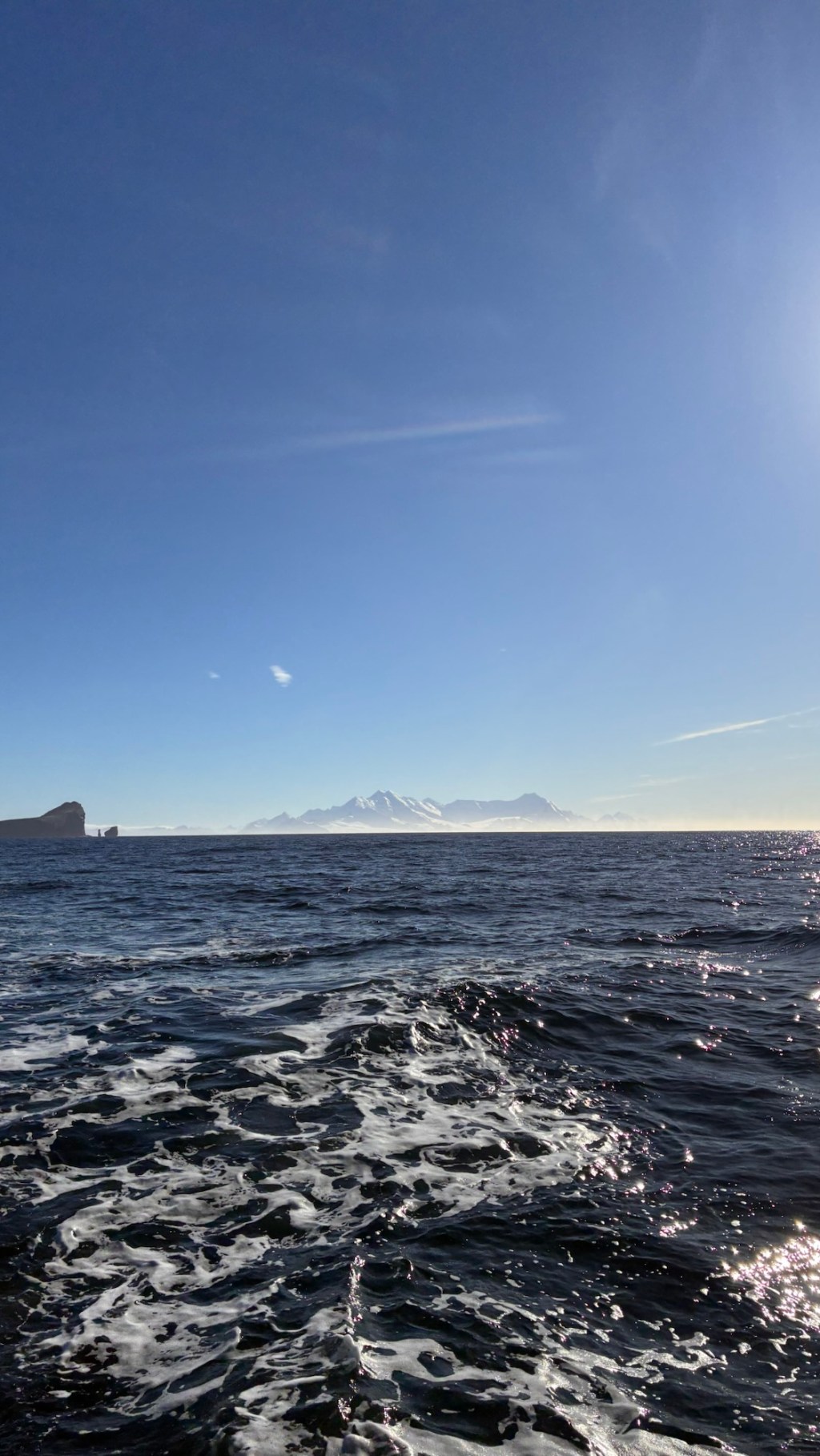
There is a distinct quiet that settles over you when you cross the Drake Passage. It is an ocean of immense power, rolling swells, and wind that carries the crisp, salt-laden breath of the White Continent. When you sail south toward the Antarctic Peninsula, the world strips away its noise. What remains is elemental: deep blue ice, dark volcanic rock, the sudden flash of a whale’s fluke, and the absolute scale of a landscape that feels almost extraterrestrial.
For years, my travel journals and camera rolls accumulated these moments. Between expeditions from 2022 to 2026, I found myself collecting not just coordinates and weather notes, but the subtle shades of an environment that defies its monochrome reputation. Antarctica is not just white and gray. It is painted with the bright orange beaks of gentoo penguins, the rusty metal of abandoned whaling stations at Deception Island, the emerald-green ribbon of the southern lights dancing across a winter sky, and the deep, rich turquoise of ancient tabular icebergs.
Why a Coloring Book?
The idea for The Colors of Antarctica didn’t start in a corporate office or an illustrator’s studio. It was born on the deck of expedition sailboat and at a family table, sketching animals and mapping out voyages alongside young minds who were just as fascinated by the polar world as I was.
As an anthropologist, I spend a lot of time thinking about how humans relate to unfamiliar environments, how we interpret science, and how curiosity is sparked across generations. Children possess an innate, uncorrupted sense of wonder. They don’t just look at a picture; they inhabit it.
That is why I wanted this book to be more than a passive activity. Every single drawing began as a real moment—an encounter with an orca riding a wave, a curious chinstrap penguin building a nest of stones at Port Lockroy, or a quiet afternoon kayaking among ice floes.
The Freedom of the Palette
On every page of The Colors of Antarctica, young explorers face a wonderful choice: Real Antarctic colors, or my own wild colors?
This dual invitation is intentional. While the book provides accurate scientific hints about why krill glow pinkish-red or how leopard seals use spots for camouflage, it also hands complete creative agency over to the child. If a young artist decides that a Weddell seal should wear a coat of cosmic purple or that the ocean should shimmer with gold, who is to say otherwise? In art, as in exploration, imagination is the primary vessel.
Passing the Torch
Writing and compiling this book with the help of young testers—my nephews—reminded me why we share these stories in the first place. The polar regions belong to the future. By inviting children to color the world of the far south, we aren’t just teaching them about marine biology or geography; we are inviting them into a relationship with our planet’s most fragile and awe-inspiring ecosystems.
As I pack my bags for my next adventure toward Greenland, I hope The Colors of Antarctica finds its way into the hands of many curious minds. May it inspire your little explorers to look closer, ask bigger questions, and perhaps dream of the day they will cross the stormy seas themselves.
Fair winds and happy exploring,


Leave a Reply