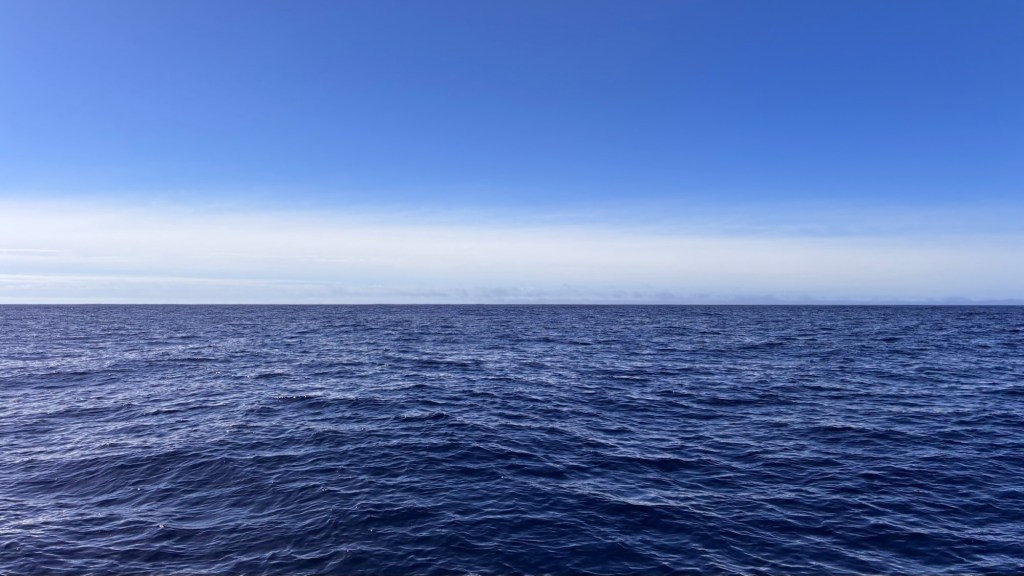
We live in an age of velocity. We swipe through landscapes, consume destinations in bite-sized digital clips, and measure travel by how efficiently we can check boxes off a map. But there is a profound psychological shift that occurs the moment you cast off lines and let the engine die, leaving only the sound of the wind filling the canvas.
When you travel by sailboat, time recalibrates.
As an anthropologist, I’ve always been fascinated by how our physical interaction with a space shapes our understanding of it. When you cross the Drake Passage or navigate the icy channels of the polar regions, you cannot rush. You move at the speed of the current, the swell, and the wind. You watch the barometer drop, you study the slate-grey horizon, and you wait.
The Radical Act of Looking Closely
Out on the water, the luxury of modern life—constant distraction—is stripped away. In its place comes a heightened state of observation.
I remember sitting in a quiet bay off the Antarctic Peninsula, watching a gentoo penguin navigate a rookery. In a photograph, it’s a static moment. But when you are sitting in a rubber dinghy bobbing among brash ice, you notice the rhythm: the careful selection of a smooth pebble for a nest, the sharp, cheerful call echoing off the snow-draped cliffs, the sudden, torpedo-like streak of black and white as the bird launches into the turquoise water.
When we slow down, the world stops being a backdrop and becomes a narrative.
Carrying the Ocean Home
One of the greatest challenges of returning from an expedition—whether to Antarctica or Greenland—is translating that vast, silent wilderness back into everyday life. How do you explain the emerald ribbon of an aurora australis dancing across a winter night, or the soft, powdery blue of an ancient tabular iceberg that has drifted thousands of miles from an ice shelf?
You don’t capture it by taking more pictures. You capture it by holding onto your curiosity.
It’s why I love sharing these places with children, and why my travel journals always end up spilling over into sketches and stories. Kids haven’t yet lost that radical capacity for wonder. When a child sits down to color a humpback whale or map out an imaginary voyage, they aren’t just passing time; they are practicing empathy for a planet they will one day inherit.
Next time you find yourself feeling rushed, take a cue from the ocean. Step back, let the noise fade, and look closer. You might be surprised by how much color is hiding just beneath the surface.
Fair winds,
Klara


Leave a Reply