Designs for future habitats on the Moon and Mars are full of beautiful drawings: domes, modules, greenhouses, carefully planned sleeping quarters. Most of the effort goes into keeping people alive physically, which is fair enough. But anyone who has lived in a confined space for weeks knows that the hardware is rarely what breaks first. People do. My argument is that in isolated environments the social design is as important as the physical one, and it gets far less attention.
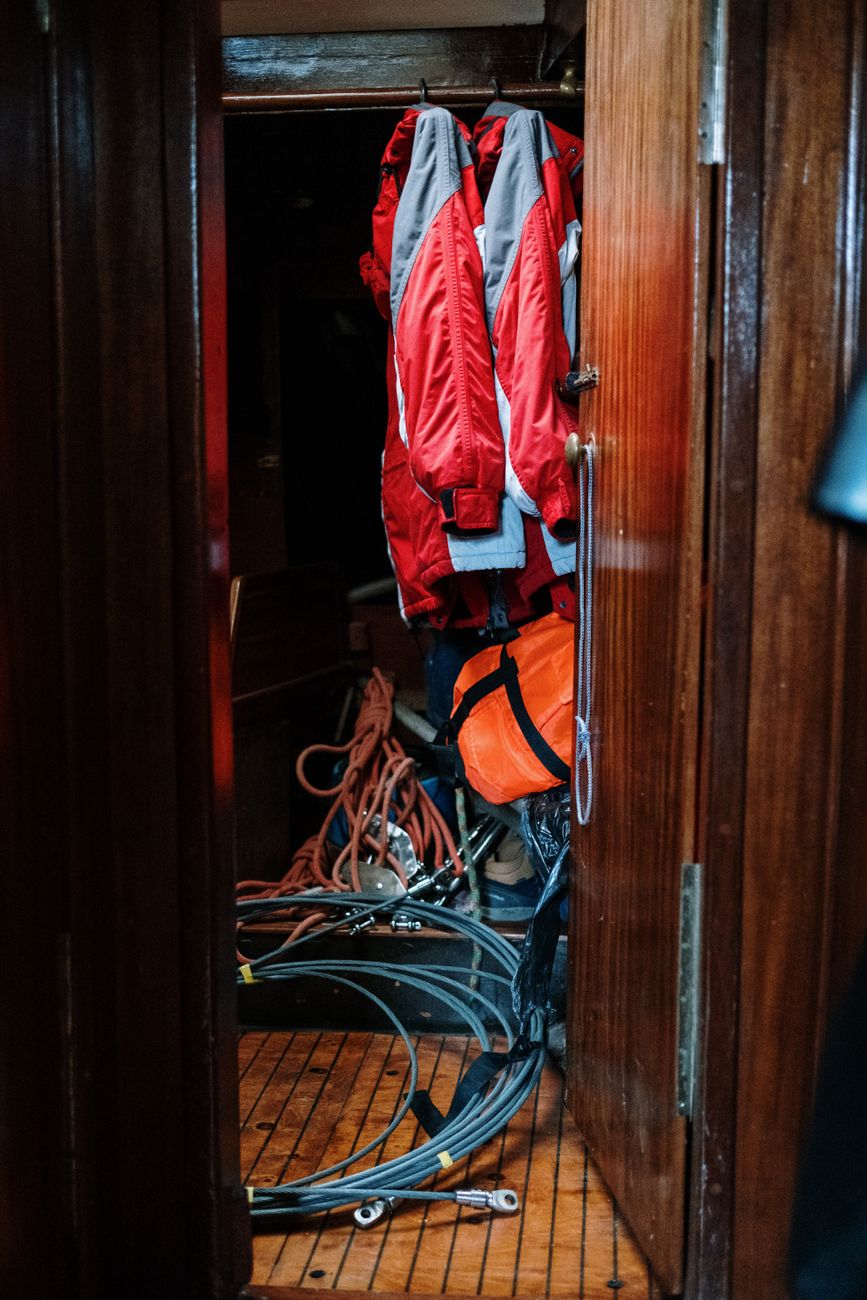
An offshore sailing yacht is a good place to see this. The physical design is excellent: every locker has a purpose, handholds are where you need them, the galley works at an angle. You learn quickly where the lee cloths go, which locker holds the storm jib, how to move through the saloon with one hand always on something solid. Space is measured in centimetres, and nothing is there for decoration.
What the drawings never show is what happens between the people. In a small space, small irritations grow. Someone leaves wet gear on a bunk. Someone takes the last of the good coffee. Someone is always five minutes late for their watch. On land, you would simply avoid that person for a day. At sea, there is nowhere to go. A crew that cannot manage these small frictions will struggle long before the weather becomes a problem.
Good crews handle this with rituals, and I have come to see those rituals as infrastructure. A mug of tea made for the incoming watch. Wiping down the companionway steps. Leaving the chart table tidy for the next person. Clear rules about who decides what. None of these appear in a design document, but they do the same job as a well-placed handhold: they keep people steady when things get difficult.
Space agencies know this, of course. They study crew psychology seriously, and analogue missions in Antarctica and in isolation habitats exist for exactly this reason. But the public story of space settlement still focuses on rockets and domes. When I worked on human factors in future Mars missions, the most useful comparisons came from places like polar stations and ships, where people have been living in closed worlds for a very long time.
So my suggestion to habitat designers is a modest one. Next to the floor plan, draw the routines. Who cooks, who cleans, who decides, how disagreements are handled, how people get time alone in a place with no doors. Seafarers have been refining these answers for centuries, inside forty-odd feet of fibreglass and rigging. It would be a shame to send people to Mars without asking them first.


Leave a Reply