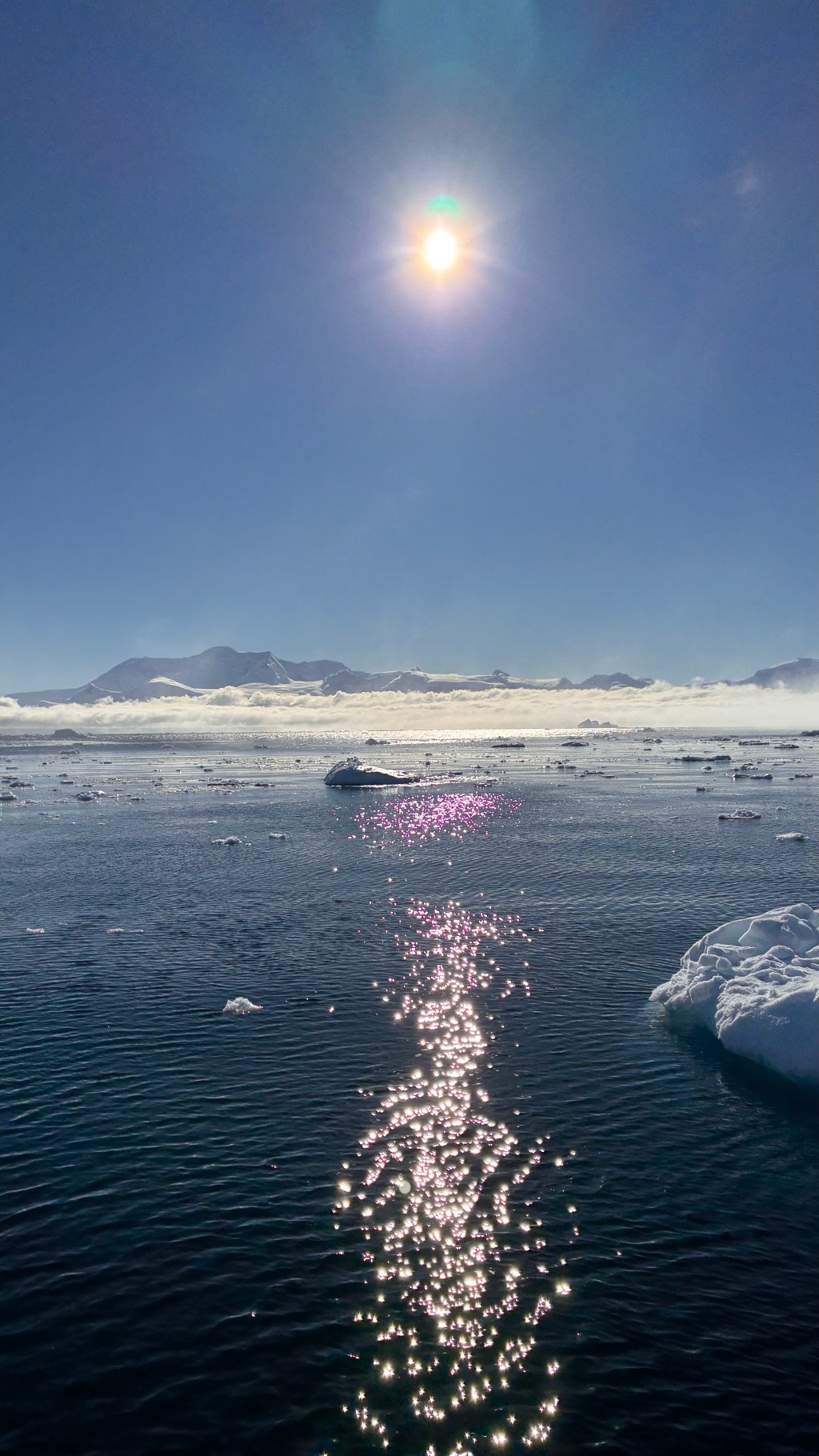
There is a word for the quiet, persistent ache that settles into your bones once you have spent time in high latitudes: polarhullar—the call for the ice. Unlike ordinary wanderlust, which can be satisfied by a change of scenery or a warm coastline, polarhullar is far more specific. It arrives unexpectedly in the middle of an ordinary temperate afternoon—triggered by the metallic edge of an autumn wind, the pale grey light of an overcast sky, or the sight of an old chart spread across a table—pulling your attention relentlessly back toward the far South and the far North.
What you miss is rarely the grand spectacle described in expedition brochures; it is the exact texture of the silence. You find yourself remembering the low, fizzy crackle of ancient air escaping from brash ice drifting past the hull in Paradise Harbour, or the sudden, unmistakable shift in air temperature when crossing the Antarctic Convergence. You recall the cobalt glow inside a sculpted iceberg, the steady rhythm of humpback whales surfacing in a mirror-calm cove, and the stark geometry of Greenland’s granite fjords rising out of dark Arctic water. In those places, human noise falls away, and the world is reduced to rock, ice, sea, and sky.
Having trained as an anthropologist studying how humans relate to extreme environments, I used to think of polar exploration primarily as a subject to be observed and analysed. Yet the ice has a quiet way of reversing that relationship. Even when ashore at a studio desk—sorting expedition photographs, mapping coastlines, or translating high-latitude memories into clean ink lines on white paper—that pull never fully disappears. Polarhullar becomes an internal compass: a reminder that once you have stood at the edge of the ice, temperate horizons always feel like a temporary anchorage.


Leave a Reply