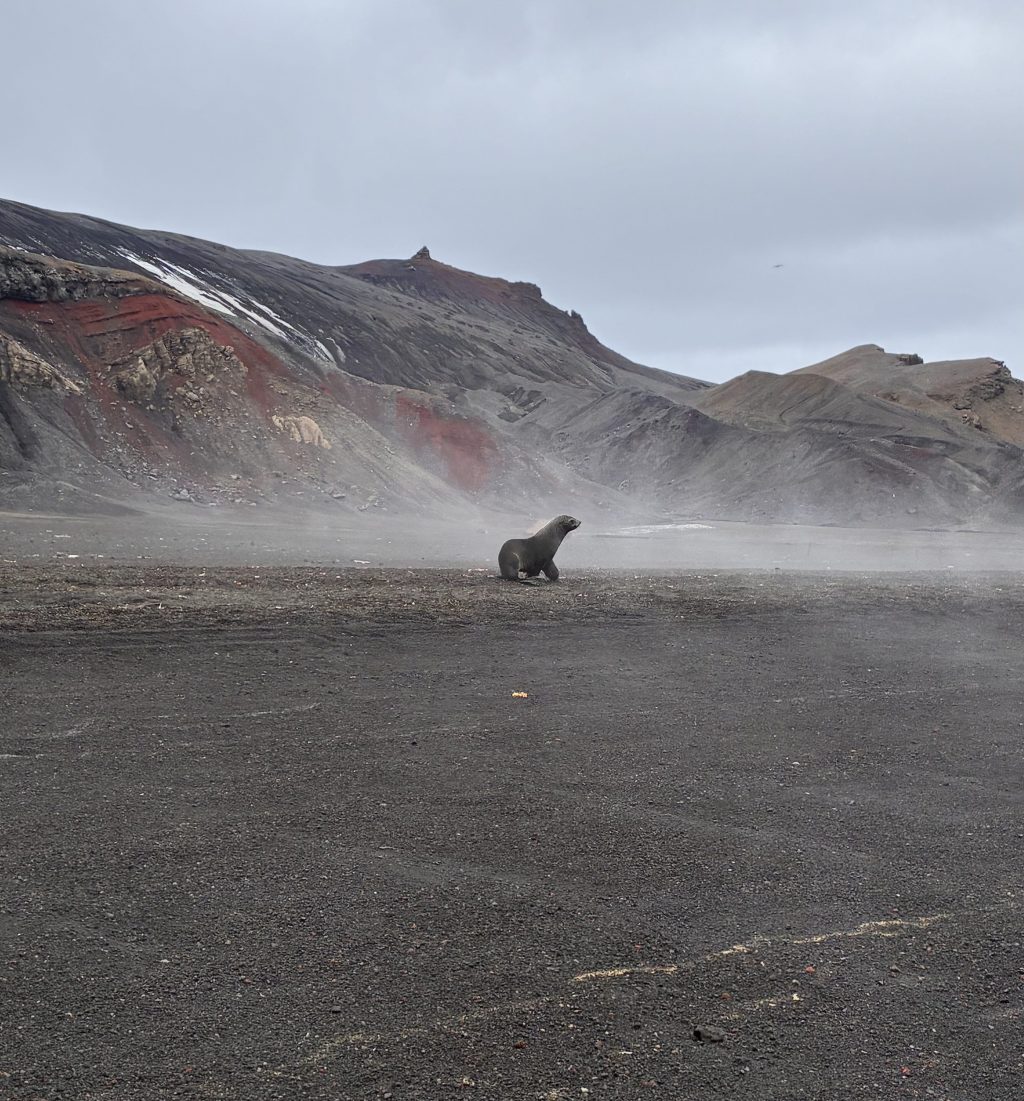
Most visitors to Antarctica want to see penguins, seals and whales up close. That is completely understandable. But the best wildlife encounters I have had did not happen because I got closer. They happened because I stayed still and let the animals decide. My argument is that responsible wildlife watching is not mainly about rules. It is about who sets the distance: you, or the animal.
The rules exist, and they matter. Antarctic tour operators follow guidelines that ask visitors to keep a minimum distance from wildlife, never to block an animal’s path, to move slowly and keep voices low. Before every landing, boots and clothing are cleaned to avoid bringing seeds or soil from one place to another. These rules are easy to follow and they protect fragile colonies during a very short breeding season.
But rules describe the minimum. The real pressure on wildlife often comes from something more ordinary: the camera. Everyone wants the perfect photograph, and the perfect photograph always seems to be a few steps closer. One person stepping closer is harmless. Fifty people doing it on the same beach is not. Penguins commuting between the sea and their nests along their snow paths have very little spare energy. Making them detour around a crowd costs them something.
What I learned is that if you sit quietly on a shingle beach and do nothing, things start to happen. Chinstrap penguins carry on with their business as if you were a rock. Young ones sometimes waddle over to inspect your boots, lose interest, and march back to the colony. A leopard seal resting on a drifting ice floe may lift its head to look at your zodiac and then go back to sleep. None of this happens if you are chasing.
This changed how I work as an author, too. When I wrote about polar animals for children’s books, accuracy is a form of respect. A chinstrap penguin has a thin black line under its chin, not a cartoon smile. Those details come from patient watching, not from getting close enough for a selfie.
So if you are heading south, my advice is simple. Bring a long lens and use it. Choose one spot and stay there. Let the animals come to you, or not. You will take fewer photographs, but you will see much more. Nature does not need to be chased or exaggerated to be extraordinary.


Leave a Reply