Every space mission eventually faces a blunt question from the people who pay for it: what do we get back? From 2019 to 2022 I spent three years at the European Space Agency trying to answer it, as a research fellow on the socio-economic benefits of human and robotic exploration. My main conclusion is this: the value of exploration is real, but most of it does not fit neatly into numbers. The temptation is to either overclaim or ignore whatever cannot be counted. Both are mistakes.
Some benefits are easy to measure. Contracts placed with industry. Jobs created. New technologies developed for space and later used on Earth. Scientific papers. These appear in reports as figures and indicators, and they are important. They are also the part of the story that space agencies are most comfortable telling, because numbers look objective.
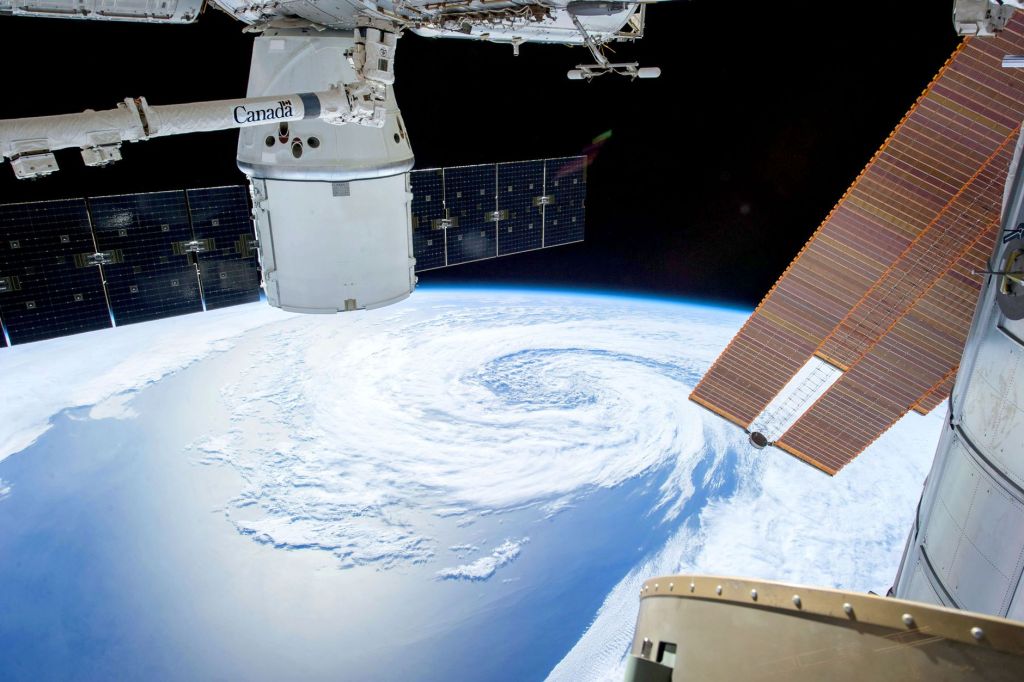
Other benefits resist measurement. I was responsible for the report sections on education, inspiration and sustainable development, which are exactly the areas where numbers struggle. How do you quantify a child choosing to study physics after watching an astronaut on the International Space Station? Or a teacher using a space mission to make maths lessons less abstract? These effects are real, and sometimes they last a lifetime. They are also slow, indirect and hard to attribute to one cause.
There are two easy ways out, and I think both are wrong. The first is to overclaim: to treat every success story as proof and to attach big numbers to vague impacts. That damages trust. The second is to measure only what is easy and quietly ignore the rest. That makes exploration look like a pure technology programme, which it is not. The honest approach combines indicators with case studies, and is clear about what each can show.
A large part of my work was connecting exploration to wider goals, such as the UN Sustainable Development Goals and the European Green Deal. This is useful, but it needs care. Not every mission solves a global problem, and pretending otherwise is unconvincing. The strongest links are often specific: knowledge about recycling water or growing food in closed systems, Earth observation data, international cooperation that continues even when politics on the ground is difficult.
Those three years left me with a habit of mind I still use. Whether I look at a space programme, a research project or a long voyage, I ask the same questions. Who benefits? How would we know? And what would be lost if nobody went at all? Exploration rarely pays for itself in a single season. Its returns arrive slowly, and often long after the mission is over.


Leave a Reply