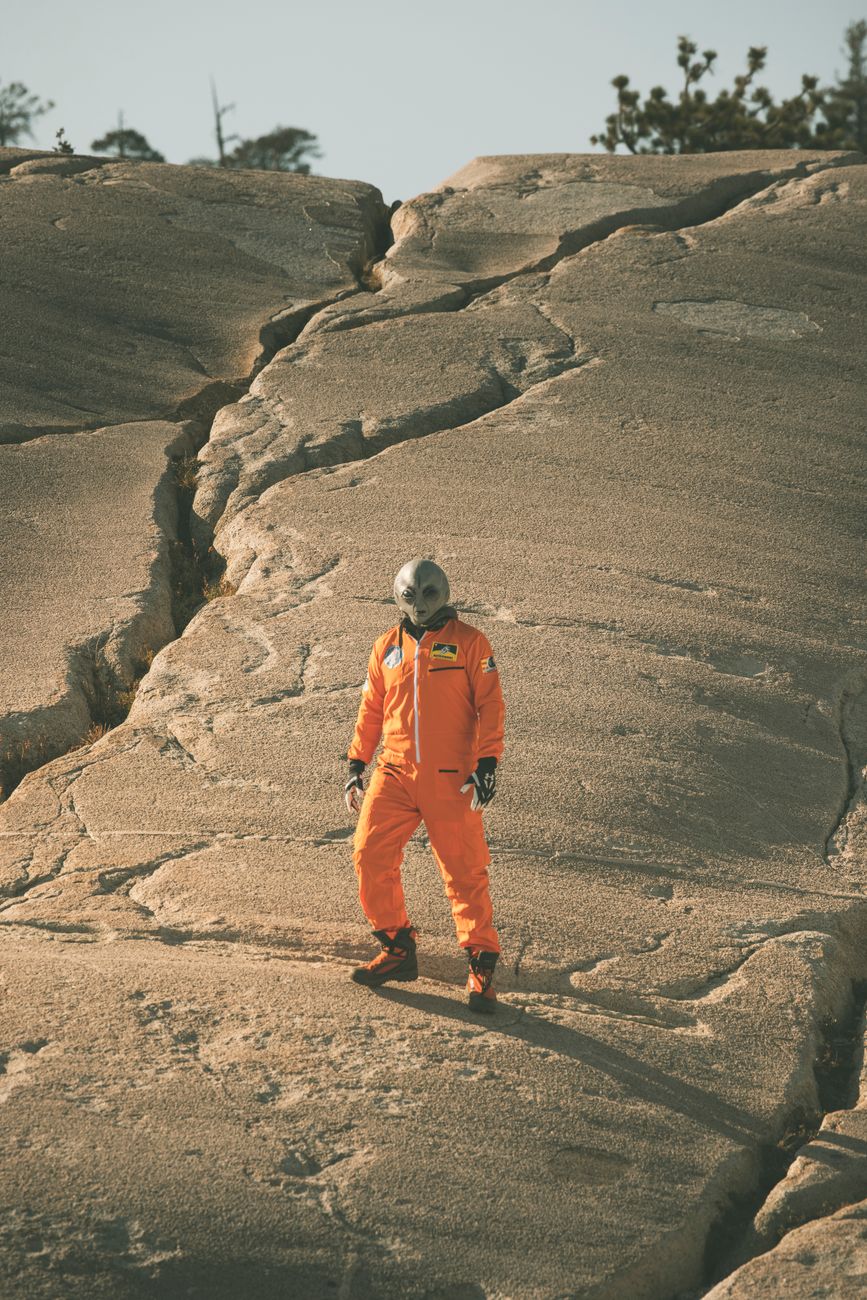
Plans to send people to Mars, and even to build the first human settlement there, are often presented as the next giant leap for humankind. Most of the discussion is about rockets, life support and radiation. In my research I ask a different question: what will happen to the people, and to their culture, once they get there?
Looking at the plans of private space programmes from a sociocultural perspective, I argue that the first Martian colonists will have to live in extreme environments and survive situations nobody has faced before. In a way, they will have to become extremophiles themselves, like the organisms on Earth that thrive in boiling springs, deep ice or salt flats. Along with their equipment, they will carry their culture across millions of kilometres, and that culture will be changed by the place.
The project also asks why Mars matters so much to the public imagination today. Mars has long been a screen onto which we project our hopes and fears, and the new plans for settlement continue that story. I first presented the ideas at the Mars Settlement Workshop in London in December 2018.
The work is published as the chapter Human Extremophiles: Mars as a Camera Obscura of the Extraterrestrial Scientific Culture in The Human Factor in a Mission to Mars: An Interdisciplinary Approach (Springer, 2019), edited by Konrad Szocik.
Read more about this and my other projects on the Research Projects page.


Leave a Reply